 How-to
5 Steps to Stop a Bank Levy Quickly
Quick Summary
To stop a bank levy quickly, read the notice, call your bank, and contact the IRS by phone to request a release. Once the IRS agrees, it issues Form 668-D, which you send to your bank so your funds can be unfrozen.
- Read the notice first and note the agency, amount, and case number
- Call your bank to ask whether a levy has been received
- Have your Social Security number and notice number ready before calling the IRS
- Ask the IRS to confirm the release in writing
- Verify your account is unfrozen and keep copies of everything
Table of Contents
- Your First-Hour Action Plan When a Bank Levy Hits
- How to Stop IRS Levy on Bank Account and Reach a Person by Phone
- IRS Form 668-D Release of Levy and the Bank Levy Release Timeline
- Five Steps at a Glance
- Frequently Asked Questions
Your First-Hour Action Plan When a Bank Levy Hits
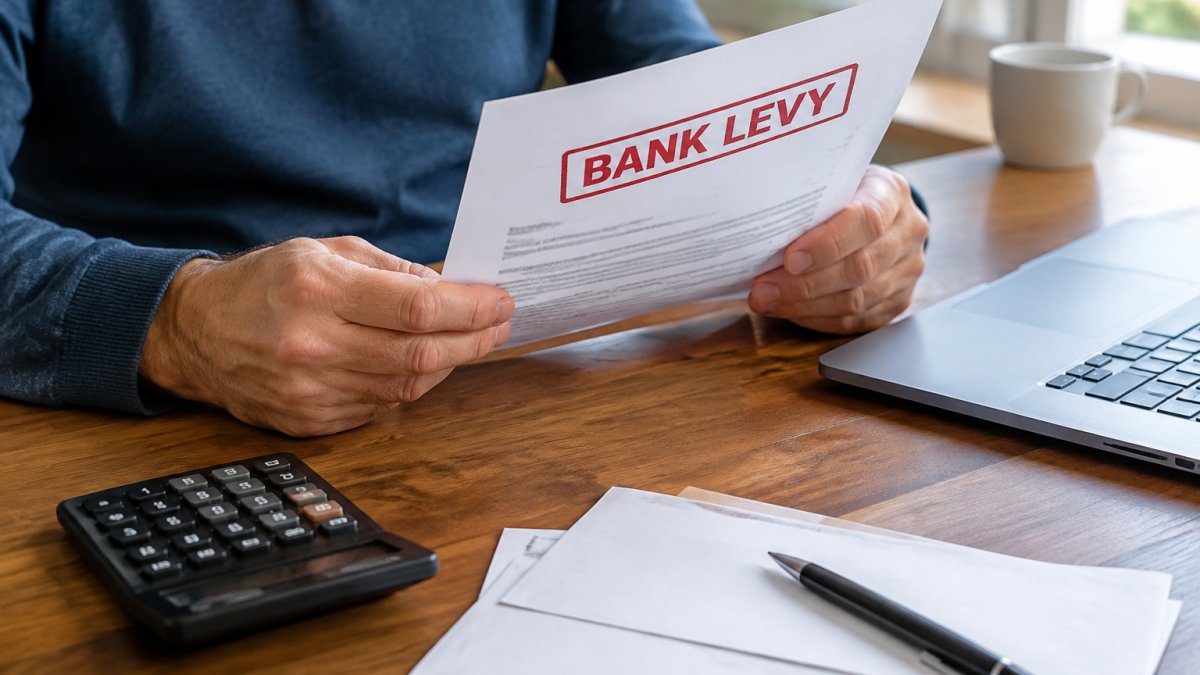
Start by reading any notice you received. Look for the name of the agency, the amount claimed, and a case or reference number.

- Call your bank and ask whether a levy has been received
- Write down the date, the amount frozen, and the name of the person you spoke with
- Gather recent tax letters, bank statements, and payment records
- Note whether your account holds Social Security or other protected income
Watch out: Do not ignore the notice. Waiting can cost you more money and fewer options.
How to Stop IRS Levy on Bank Account and Reach a Person by Phone
That waiting window can be your chance to act. Call the phone number printed on your IRS notice so you reach the right office. Ask for the levy release process and explain your situation clearly.
Have your Social Security number, the notice number, and your financial details ready before you call. If you need a faster path, book a bank levy consultation to see how representation can help.
IRS Form 668-D Release of Levy and the Bank Levy Release Timeline
Once the IRS agrees to release a levy, it issues Form 668-D, Release of Levy (What if I get a levy against one of my employees, vendors, customers or other third...). Send a copy of this form to your bank so it can unfreeze your funds. If the timing is a concern, see steps to stop IRS wage garnishment for related guidance. Timing varies by bank, so confirm with your bank how quickly it will act.
Ask the IRS to confirm the release in writing. If you cannot pay right now, review currently non-collectable status options to see whether that path applies. Check your account to make sure the money is available again. If you cannot pay the full balance, explore how an offer in compromise works as another route to resolving the levy.
Five Steps at a Glance
- Read the notice and call your bank
- Gather your records and protected-income details
- Contact the IRS by phone to request a release
- Confirm the release in writing and send Form 668-D to your bank
- Verify your account is unfrozen and keep copies of everything
Call Jeffrey R. Siegel, your Kansas City tax attorney, at (913) 940-0995.
Frequently Asked Questions
How fast can a levy be removed?
The period after a levy is served is often the most useful time to act. Once funds are sent, recovery is far harder. Speed depends on how quickly you contact the IRS, submit documentation, and request a release. An attorney can help you judge what is realistic for your account.
Can exempt funds be protected from a bank levy?
Some funds are protected from levy, including certain Social Security and veterans' benefits, depending on how they are deposited and what the account holds. If your account mixes protected and unprotected money, the situation becomes more complicated. Documentation showing the source of the funds matters. Raise this with the IRS or your attorney quickly, because the protection must be established before the money is released.
Can you stop a levy on your bank account?
A levy can sometimes be stopped or released through a payment arrangement, a showing of hardship, or other resolution options such as an installment agreement. The right path depends on your tax debt, your finances, and whether the levy is valid. Contacting the IRS promptly and requesting a release, such as through Form 668-D, is a key step.